
"Victoria Beckham"
790 article(s) found
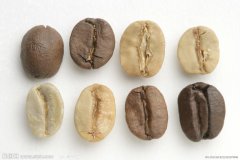
Mount Elgon, the second highest mountain in Kenya, is formed by volcanic eruptions.
Mount Elgon Manor Mount Elgon, the second highest mountain in Kenya, is formed by volcanic eruptions. Mount Elgon, an extinct volcano, is located on the border with Kenya and northeast of Lake Victoria. Coordinates: 18N ·3433E Mount Elgonne, extinct volcano on the Kenya-Uganda border. The crater is about 8 kilometers (5 miles) in diameter and has several peaks, including Mount Wagagai (Wagag)

Introduction to the Flavor and Taste of Kilimanjaro Coffee Manor in Tanzania
The types of rainfall can be divided into bimodal distribution and unimodal distribution. The areas with double bee rainfall include the provinces around the Lake Victoria basin, the northeast highlands, the coastal and inland northeastern. The bimodal rainfall area is characterized by two rainy seasons. The short rainy season occurs from September to December. The total rainfall can reach 200-500 mm. The long rainy season occurs from March to May.
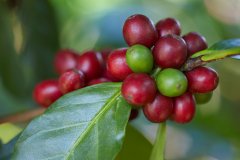
Mount Elgonne Manor African boutique coffee with balanced acidity, sweet and lively taste
Mount Elgon Manor Mount Elgon, the second highest mountain in Kenya, is formed by volcanic eruptions. Mount Elgon, an extinct volcano, is located on the border with Kenya and northeast of Lake Victoria. Coordinates: 18N ·3433E Mount Elgonne, extinct volcano on the Kenya-Uganda border. The crater is about 8 kilometers (5 miles) in diameter and has several peaks, of which Wagagai is the most

Introduction of Ugandan coffee beans with low acidity and delicate taste
Uganda's coffee production ranks first in Africa, accounting for more than 70% of its total exports. Uganda is also the hometown and main producing area of Robes specialty coffee. In the 1960s, Ugandan coffee production remained at 3.5 million bags a year. By the mid-1980s, coffee production had dropped to 2.5 million bags a year, mainly for political reasons. But now coffee production is on the rise again, which is large at present.

Robes, a coffee variety from the mountains of Elgon and Bugisu, Uganda
Uganda's coffee production ranks first in Africa, accounting for more than 70% of its total exports. Uganda is also the hometown and main producing area of Robes specialty coffee. In the 1960s, Ugandan coffee production remained at 3.5 million bags a year. By the mid-1980s, coffee production had dropped to 2.5 million bags a year, mainly for political reasons. But now coffee production is on the rise again, which is large at present.

Introduction of Robbs Special Coffee growing area in Uganda Coffee production area
Uganda's coffee production ranks first in Africa, accounting for more than 70% of its total exports. Uganda is also the hometown and main producing area of Robes specialty coffee. In the 1960s, Ugandan coffee production remained at 3.5 million bags a year. By the mid-1980s, coffee production had dropped to 2.5 million bags a year, mainly for political reasons. But now coffee production is on the rise again, which is large at present.

A brief introduction to the market price of Burundian boutique coffee beans with excellent acidity
Burundian coffee market: most of Burundi's coffee products are exported to the United States, Germany, Finland and Japan. Lake Tanganyika is longitudinally striped from north to south, 670km long and only 48-70km wide from east to west. It is the narrowest lake in the world, with a surface area of about 32900 square kilometers. It is the second largest lake in Africa (the largest lake is Lake Victoria L.Victoria), with an elevation of the lake.

One of the leading coffee producing countries in Africa, the Robbs special coffee producing area of Uganda
The output is among the highest in Africa, accounting for more than 70% of its total exports, while Uganda is also the hometown and main producing area of Robes specialty coffee. In the 1960s, Ugandan coffee production remained at 3.5 million bags a year. By the mid-1980s, coffee production had dropped to 2.5 million bags a year, mainly for political reasons. But now coffee production is on the rise again, which is now about 30% a year.

Southern Uganda Coffee beans Robbs Special Coffee introduction to the Elgon Mountains and Bugisu (
Uganda's coffee production ranks first in Africa, accounting for more than 70% of its total exports. Uganda is also the hometown and main producing area of Robes specialty coffee. In the 1960s, Ugandan coffee production remained at 3.5 million bags a year. By the mid-1980s, coffee production had dropped to 2.5 million bags a year, mainly for political reasons. But now coffee production is on the rise again, which is large at present.

The grading system of Ugandan coffee introduces what are the producing areas of Ugandan coffee?
Professional coffee knowledge exchange more coffee bean information please follow Coffee Workshop (Wechat official account cafe_style) Uganda, located in the Great Lakes region of east-central Africa, almost all on the East African Plateau, Churchill praised it as the Pearl of Africa. But Uganda doesn't do it at all, far from the impression of our impoverished barren Africa, Lake Victoria, the world's second largest freshwater lake.

A brief introduction to the taste of coffee
Bugishu, Uganda, the East African graben connects Lake Victoria and the Elogon Mountains are famous and important boutique coffee bags in East Africa. The Shandong side of Elogon is one of the important coffee producing areas in Kenya, while the western side of Mount Elogon, the western highlands on the Ugandan side, also produces great coffee. This area is the geography and climate of Bugishu Uganda: Uganda is a
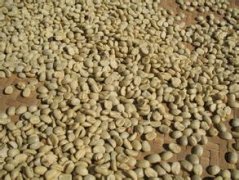
A brief introduction to the description of the flavor, taste and aroma characteristics of fine Burundian coffee beans with mellow taste
Burundian coffee market: most of Burundi's coffee products are exported to the United States, Germany, Finland and Japan. Lake Tanganyika is longitudinally striped from north to south, 670km long and only 48-70km wide from east to west. It is the narrowest lake in the world, with a surface area of about 32900 square kilometers. It is the second largest lake in Africa (the largest lake is Lake Victoria L.Victoria), with an elevation of the lake.

Full-bodied bitter coffee manor producing area flavor and taste characteristics of high-quality coffee beans
The types of rainfall can be divided into bimodal distribution and unimodal distribution. The areas with double bee rainfall include the provinces around the Lake Victoria basin, the northeast highlands, the coastal and inland northeastern. The bimodal rainfall area is characterized by two rainy seasons. The short rainy season occurs from September to December. The total rainfall can reach 200-500 mm. The long rainy season occurs from March to May.

Characteristics of taste and flavor of Ugandan coffee taste by grinding scale treatment
The taste and flavor of Ugandan coffee is located between the east and west branches of the East African Rift Valley, tilting gently from west to middle and low and flat in the south. Margarita Peak is 5109 meters above sea level, which is the highest in the country. There are many rivers and lakes and a large water area, so Uganda is known as a plateau water village and a pearl in East Africa. Lake Victoria is the second largest freshwater lake in the world and the largest in Africa, accounting for Uganda.

Uganda coffee producing countries with the highest production in Africa introduce Uganda's boutique coffee beans
Uganda's coffee production ranks first in Africa, accounting for more than 70% of its total exports. Uganda is also the hometown and main producing area of Robes specialty coffee. In the 1960s, Ugandan coffee production remained at 3.5 million bags a year. By the mid-1980s, coffee production had dropped to 2.5 million bags a year, mainly for political reasons. But now coffee production is on the rise again, which is large at present.

Peaceful and full-bodied coffee manor in Arusha, Tanzania, the planting market price of fine coffee bean varieties is simple.
Raw beans: raw beans are unbaked beans, which contain 11.5% fat; 11.5% moisture; 28.6% crude fiber; 4.0% minerals; 6.2% tannic acid; 1.3% caffeine; 17.0% essence; 8.1% sugar; 11.8% protein. Baked beans: baked beans containing 13.0% fat; 1.5% caffeine; 29.5% crude fiber; 2.6% moisture; 5.0% minerals

Flavor description of Costa Rican Red Kaddura washed Coffee beans introduction to the origin of grinding scale varieties
Costa Rican Red Kaddura washed Coffee Bean Flavor description Grinding scale Variety Origin introduction Costa Rica treatment method: solarization (San Isdro Manor Pillon treatment) production area: Tara bead level: SHB (1700 altitude) roasting: medium-shallow (burst dense) flavor: honey apple, banana, fruit Catuai raw beans compared with other high altitude raw beans
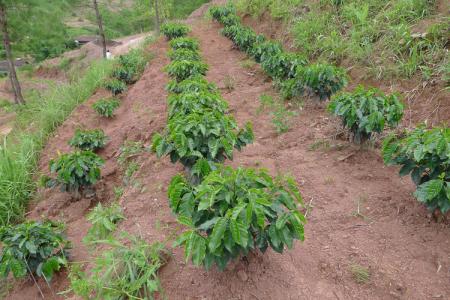
Costa Rica Red Kadura Washed Coffee Bean Grind Scale Taste Variety Introduction
Coffee was introduced to Costa Rica from Cuba in 1729, and today its coffee industry is one of the most well-organized in the world, producing up to 1700 kilograms per hectare. Costa Rica has a population of 3.5 million, but coffee trees number 400 million, and coffee exports account for 25% of the country's total exports.

Introduction to the method of taste treatment for grinding scale flavor description of red Kaddura washed coffee beans in Costa Rica
Costa Rican Red Kaddura Water washed Coffee beans Grinding scale Flavor description Taste treatment method Costa Rican treatment: solarization (San Isdro Manor Pillon treatment) production area: Tara beads level: SHB (1700 altitude) Baking: medium-shallow (explosion dense) Flavor: honey apples, bananas, fruits forgive me for talking so long, too long not to find a good taste
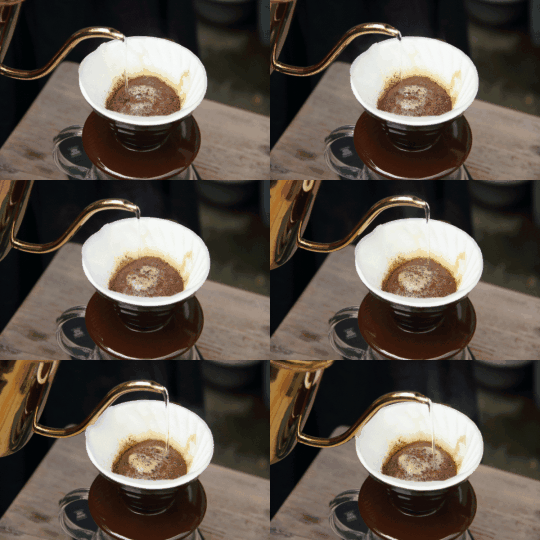
Uganda Coffee Flavor description Taste characteristics Grinding scale Fine Coffee beans
Uganda coffee flavor description, grinding scale, fine coffee beans introduce Uganda's coffee production ranks first in Africa, accounting for more than 70% of its total exports, while Uganda is also the hometown and main producing area of Robes specialty coffee. In the 1960s, Ugandan coffee production remained at 3.5 million bags a year. By the mid-1980s, coffee production had fallen to